
Why Damp Proofing Sunderland Matters for Long-Lasting Shop Fittings
- MGM Construction
- May 13
- 3 min read

Walk into older commercial units around Sunderland, and you’ll spot it early. Fresh refurb plans are ready on paper, but the walls tell another story. Damp patches creeping up skirting boards, paint starting to blister, and that constant cold feeling that never quite leaves the space. Damp Proofing in Sunderland usually becomes the first real decision that decides how the rest of the shop fitting will actually go.
In North East commercial properties, skipping this stage almost always shows up later in the finishes. It doesn’t matter how good the design is if the structure underneath is already holding moisture.
Why Damp Proofing in Sunderland Must Come Before Fit-Out Work
Once Damp Proofing Sunderland is delayed, shop fitting work starts building on unstable conditions. That’s where problems begin to stack up.
You tend to see issues like:
Fresh plaster breaking down within weeks
Timber fittings absorbing moisture and swelling
Flooring lifting in corners, where damp was never treated properly
From site experience, the biggest mistake is assuming surface repairs will hold. They don’t. Moisture always finds its way back through untreated masonry.
This is especially common in older retail strips where buildings have been altered multiple times without proper structural treatment.
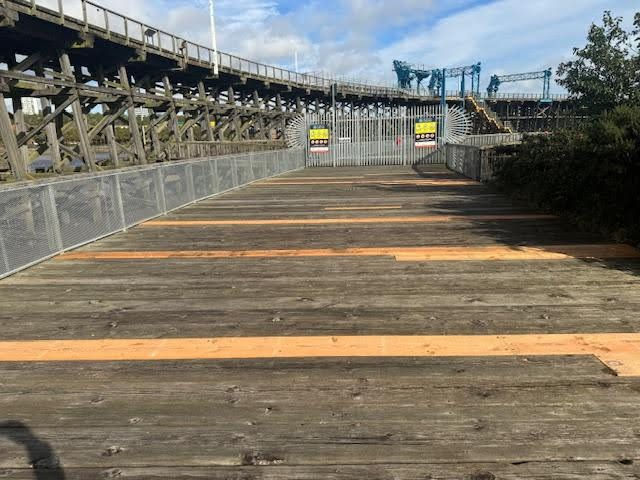
How Building Contractors In Newcastle Assess Damp Risks During Early Site Works
Shop fitting Sunderland is rarely just about interiors. It depends heavily on how stable the building is before any installation starts.
When damp is present, even small fit-out jobs start to shift in cost and timing. Paint systems don’t cure properly, partitions need reworking, and electrical runs often get delayed when walls aren’t dry enough to seal.
This is why many building contractors Newcastle get involved early on Sunderland projects as well. They’re often brought in to assess structural condition before any interior work begins, especially in mixed-use or heritage buildings.
Typical on-site challenges include:
Hidden moisture behind old plaster layers
Uneven drying in thick masonry walls
Condensation forming in poorly ventilated units
None of these stops a project completely, but they change how the work has to be sequenced.
Why Early Damp Control Protects Long-Term Fit-Out Quality
Good shop fitting doesn’t fail because of design. It fails because of what was ignored before installation started.
When damp control is handled early, you avoid:
Rework on finishes after handover
Cost escalation from repeated repairs
Early deterioration of installed fixtures
Most experienced site teams treat damp control as part of the base condition check, not an optional extra.
What Needs Checking Before Shop Fitting Starts
Before any internal work begins, a proper assessment usually includes:
Moisture readings in walls and floors
Condition of the existing damp-proof course
Ventilation flow inside the unit
Any previous patch repairs that failed
Industry guidance from the Property Care Association and compliance standards from the British Standards Institution are commonly used across refurbishment projects in the UK.
Final Thoughts
Damp doesn’t usually look urgent at the start of a project, but it’s one of the main reasons shop fittings fail early. Getting damp proofing done before installation keeps the structure stable and avoids unnecessary rework later.
It also makes coordination with building contractors Newcastle much smoother when multiple trades are working on tight timelines.
A bit of early attention here saves a lot of correction work once the fit-out is complete.
Need support with damp assessment or early-stage project planning in the North East?
Contact us at MGM Construction to discuss your site requirements.
Comments